
CBD for Inflammation
CBD for Inflammation: How It Works and Which Products Actually Help
May
Inflammation is at the root of most chronic health conditions, arthritis, back discomfort, cardiovascular disease, autoimmune disorders, digestive issues, and even cognitive decline. The body’s inflammatory response is protective in the short term (healing an injury) but destructive when it becomes chronic (low-grade, persistent inflammation that damages tissue over time).
CBD is one of the most studied natural compounds for inflammation, and the mechanism is well understood. This guide covers the science, what research shows, which types of inflammation CBD is best suited for, and which Fusion CBD products address each.
How CBD May Support a Balanced Inflammatory Response
CBD may interact with inflammatory pathways through several distinct mechanisms, not just one, which is why its potential anti-inflammatory benefits are relevant to so many different conditions.
CB2 receptor activation. CB2 receptors are concentrated throughout immune cells and peripheral tissue. When CBD activates CB2 receptors, it signals immune cells to reduce their inflammatory response, specifically reducing the production of pro-inflammatory cytokines (TNF-α, IL-1β, IL-6) that drive chronic inflammation.
NF-κB pathway inhibition. NF-κB is one of the master regulators of inflammatory gene expression. Research has demonstrated CBD’s ability to inhibit NF-κB signaling, reducing the transcription of inflammatory proteins at the genetic level.
Check Out Other Fusion CBD Products

Vegan Isolate CBD Gummies
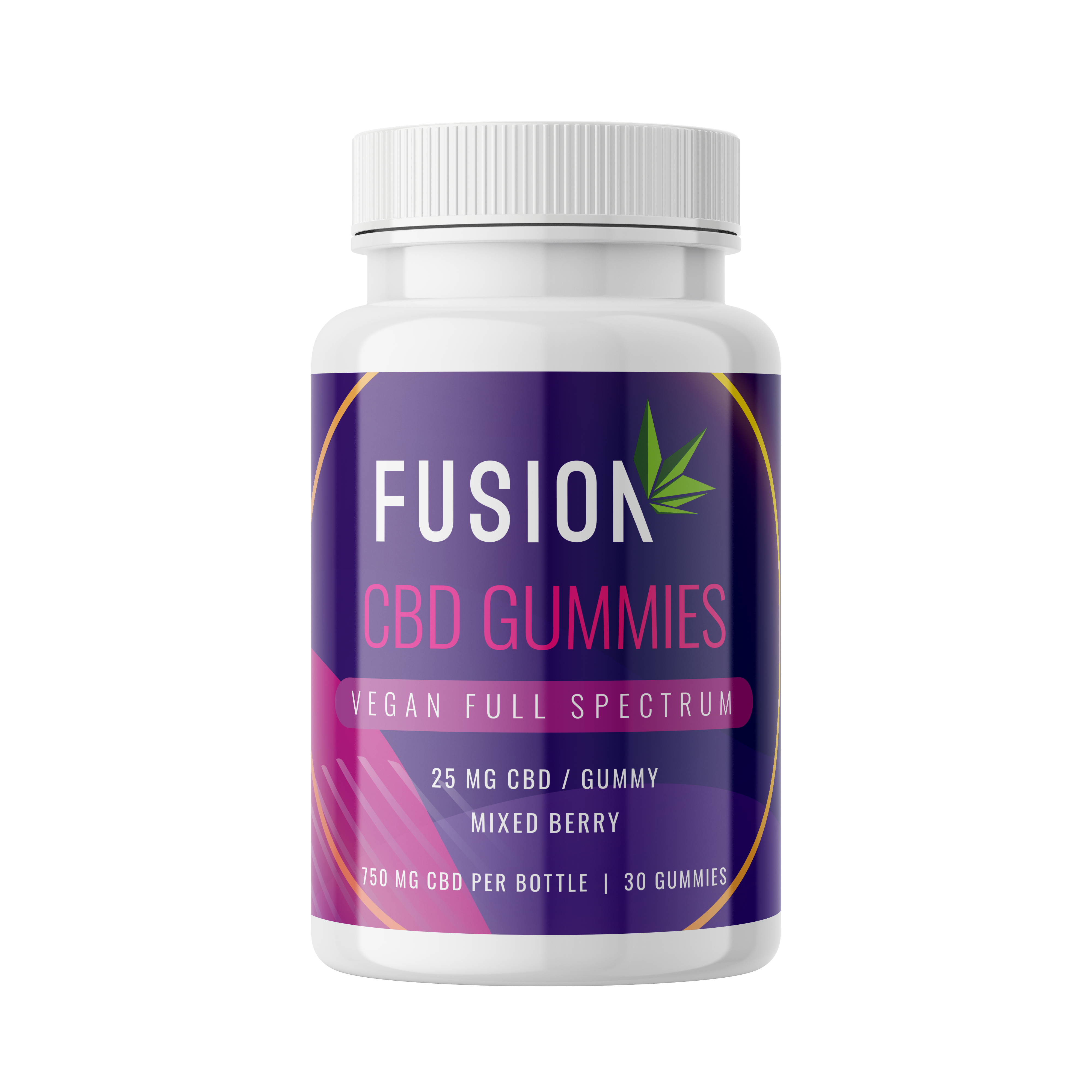
Full Spectrum CBD Gummies
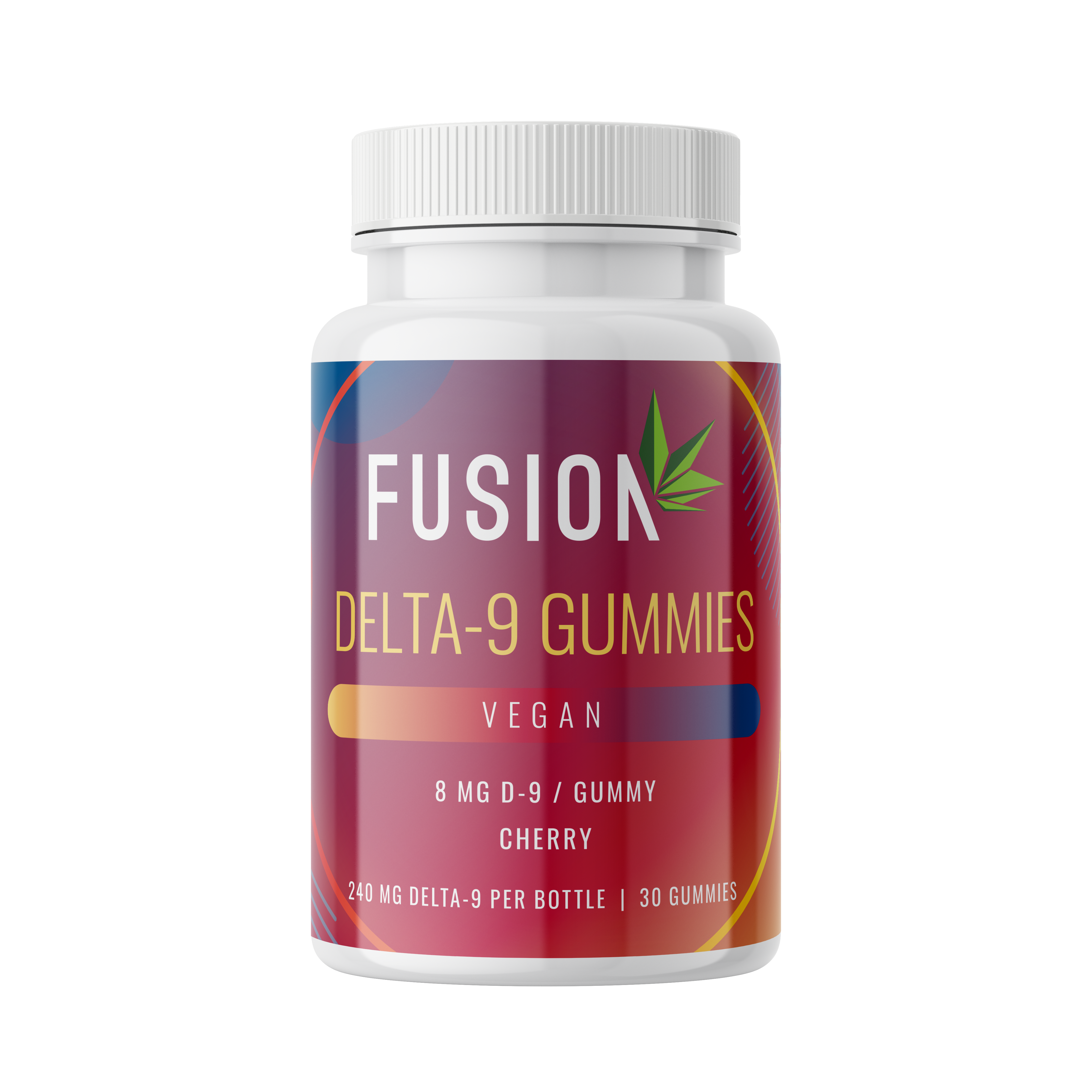
Vegan Delta-9 Gummies
Oxidative stress reduction. Chronic inflammation and oxidative stress are deeply connected. CBD has antioxidant properties that reduce free radical damage, one of the drivers of the oxidative-inflammatory cycle in conditions like arthritis, metabolic syndrome, and cardiovascular disease.
TRPV1 modulation. TRPV1 receptors are involved in both physical sensation and inflammatory response. CBD desensitizes TRPV1, which may reduce both nerve signaling intensity and the inflammatory cascade associated with tissue damage.
Research highlights:
- A 2015 review in Bioorganic and Medicinal Chemistry identified CBD as demonstrating anti-inflammatory properties through multiple mechanisms.
- A 2019 study in the European Journal of Pain found that topical CBD reduced inflammation and discomfort-related behavior in an arthritis model.
- Multiple human studies on inflammatory conditions, including Crohn’s disease, rheumatoid arthritis, and inflammatory bowel disease, have shown CBD’s potential anti-inflammatory effects.
Types of Inflammation CBD Helps Most
Musculoskeletal Inflammation (Joints, Muscles, Tendons)
The most common form of inflammation that drives people to CBD. Arthritis, muscle soreness, tendinitis, and back discomfort all involve inflammatory processes in joints, muscles, and connective tissue. CBD addresses these through both topical application (local CB2 activation at the inflammation site) and systemic mechanisms (oral CBD affecting body-wide inflammatory signaling).
Best Fusion CBD products:
- CBD Intensive Relief Rub (2000mg), From $45.35: High-potency topical applied directly to inflamed joints, muscles, or tendons. The 2000mg concentration ensures meaningful CBD delivery at the target site rather than a token amount that produces no measurable effect. Apply 2–3 times daily to affected areas.
- Pure CBD Capsules for Muscle and Joint Relief, From $37.79: Daily capsules for systemic musculoskeletal inflammation management. Appropriate for people with multiple affected joints or widespread muscle inflammation.
Systemic/Chronic Inflammation
Chronic low-grade inflammation is linked to cardiovascular disease, type 2 diabetes, neurodegenerative disease, and metabolic syndrome. This form of inflammation isn’t felt as acute discomfort; it operates below the threshold of immediate sensation but damages tissue and organs over time.
For systemic inflammation, oral CBD (oil or capsules) is more appropriate than topical because systemic anti-inflammatory effects require bloodstream-level CBD concentration, not localized topical application.
Best Fusion CBD products:
- Full Spectrum CBD Oil (1000mg), From $53.15: Full spectrum is preferred for systemic inflammation because the minor cannabinoids (CBC, CBG, CBN) present in full spectrum extracts each have their own anti-inflammatory profiles. The entourage effect amplifies the overall anti-inflammatory response compared to isolated CBD alone. Take sublingually daily, ideally at the same time each morning.
- Pure CBD Capsules for Muscle and Joint Relief, From $37.79: The capsule format provides consistent daily dosing that supports systemic anti-inflammatory response over time. More predictable than variable tincture dosing for long-term management.
Post-Exercise Inflammation
Exercise-induced inflammation is a normal and necessary part of muscle adaptation, but excessive post-exercise inflammation delays recovery, increases soreness, and impairs performance in subsequent sessions. This is particularly relevant for athletes training at high frequency or intensity.
Fusion CBD’s partnerships with UFC athletes, pro boxers, and bare-knuckle fighters reflect exactly this use case: competitive athletes who need accelerated recovery to train the next day.
Best Fusion CBD products for athletic inflammation:
- CBD Intensive Relief Rub (2000mg): Applied to sore muscle groups immediately post-workout. The 2000mg concentration delivers a meaningful anti-inflammatory effect to muscles during the 24–48 hour post-exercise inflammation window.
- Full Spectrum CBD Oil (1000mg): Taken sublingually post-workout for systemic recovery support alongside the topical application.
Inflammatory Skin Conditions
Eczema, psoriasis, and acne all involve inflammatory components. CBD’s CB2 activation in skin cells and its anti-inflammatory effects have been studied for dermatological applications. While Fusion CBD’s current product line is primarily focused on internal and musculoskeletal applications, topical CBD has demonstrated anti-inflammatory effects in skin tissue in several studies.
Full Spectrum vs. Isolate for Inflammation
For anti-inflammatory purposes, full-spectrum CBD is consistently preferred in research and clinical reports. The reason:
- Minor cannabinoids in full-spectrum extract, particularly CBC (cannabichromene) and CBG (cannabigerol), have their own independent anti-inflammatory mechanisms
- Terpenes, including beta-caryophyllene (which binds directly to CB2 receptors), contribute additional anti-inflammatory effects
- The combined “entourage effect” produces a broader, more potent anti-inflammatory response than CBD alone
Choose isolate if: You are subject to drug testing, are on medications that may interact with trace THC, or have a specific sensitivity concern. Isolate CBD is still anti-inflammatory, you’re just not getting the amplifying effect of the entourage.
How to Use CBD for Inflammation: Dosing Guide
Acute/localized inflammation (specific joint or muscle):
- Topical: CBD Intensive Relief Rub (2000mg) applied 2–3 times daily to the affected area
- Oral: 25–50mg CBD daily in oil or capsule form to support the topical
Chronic/systemic inflammation:
- 50–100mg CBD daily via Full Spectrum CBD Oil or CBD Capsules
- Taken consistently at the same time each day, CBD’s anti-inflammatory benefits build over time
Athletic recovery:
- 25–50mg Full Spectrum CBD Oil taken within 1–2 hours post-workout
- CBD Intensive Relief Rub on specific soreness sites
- CBD Gummies in the evening for overnight recovery support
Increase dosage gradually if initial results are insufficient, by 25mg per week. Most users see meaningful results within 2–4 weeks of consistent daily use.
FAQ: CBD for Inflammation
Does CBD actually reduce inflammation?
Research suggests CBD may support a balanced inflammatory response through multiple documented mechanisms, including CB2 receptor activation (which signals immune cells to reduce cytokine production), NF-κB pathway inhibition, TRPV1 desensitization, and antioxidant properties. A 2015 review in Bioorganic and Medicinal Chemistry identified CBD as demonstrating anti-inflammatory properties through multiple pathways. Both animal and human studies suggest CBD’s potential to support a balanced inflammatory response across different tissue types.
Is CBD better than ibuprofen for inflammation?
CBD and NSAIDs like ibuprofen work through different mechanisms. Ibuprofen inhibits COX enzymes that produce inflammatory prostaglandins, effective for acute inflammation but carrying GI, kidney, and cardiovascular risks with long-term use. CBD works through the ECS, CB2 receptors, and NF-κB pathways, different mechanisms, with a more favorable side effect profile for long-term use. Many people use CBD to reduce their reliance on NSAIDs without eliminating them. Consult your healthcare provider.
What type of CBD is best for inflammation?
Full-spectrum CBD is preferred for inflammation over isolate because minor cannabinoids (CBC, CBG) and terpenes (including beta-caryophyllene, a direct CB2 agonist) contribute independent anti-inflammatory effects that amplify CBD’s action through the entourage effect. Fusion Full Spectrum CBD Oil (1000mg) is the strongest oral anti-inflammatory option in the product line.
How long does CBD take to support an inflammatory response?
Topical CBD (CBD Intensive Relief Rub) can produce localized anti-inflammatory effects within 30–60 minutes of application. Systemic anti-inflammatory benefits from oral CBD accumulate over time; the most consistent improvement is reported after 2–4 weeks of daily use. CBD’s effects on chronic inflammation are cumulative, not immediate.
Can CBD help with autoimmune inflammation?
Preliminary research suggests CBD’s immunomodulatory effects, particularly its ability to reduce pro-inflammatory cytokine production, may be relevant for autoimmune conditions like rheumatoid arthritis, lupus, and inflammatory bowel disease. Human clinical evidence is still developing. People with autoimmune conditions should consult their rheumatologist or specialist before starting CBD, particularly regarding medication interactions.
How much CBD should I take for inflammation?
For localized inflammation: topical application of CBD Intensive Relief Rub 2–3 times daily plus 25–50mg oral CBD. For systemic/chronic inflammation: 50–100mg full-spectrum CBD daily via oil or capsules. For athletic recovery: 25–50mg post-workout. Increase gradually if initial dosing is insufficient, by 25mg weekly.
Is topical or oral CBD better for inflammation?
They serve different purposes. Topical CBD (CBD Intensive Relief Rub) delivers high concentrations at a specific inflammation site, best for localized joint or muscle inflammation. Oral CBD (oil or capsules) creates a systemic anti-inflammatory effect through the bloodstream, necessary for widespread or internal inflammation. For most musculoskeletal inflammation, combining both produces better results than either alone.
Where can I buy CBD for inflammation?
Fusion CBD Products offers the CBD Intensive Relief Rub (2000mg), Full Spectrum CBD Oil (1000mg), and Pure CBD Capsules, all third-party HPLC tested, manufactured in GMP-certified facilities, and sourced from USA-grown hemp. Shop at fusioncbdproducts.com with 25% off sitewide and free shipping.

Danny Campolargo is the founder and CEO of Fusion CBD Products, an online CBD company he founded in 2019. The company started by formulating flavored CBD oil to complement coffee, before expanding into a full range of CBD products after discovering how CBD was benefiting the American lifestyle.
Fusion CBD Products is a Miami-based online CBD retailer. He founded the company with a clear mission: to promote and support the emerging CBD culture in North America, aimed at those living an active lifestyle, from everyday users to competitive athletes.
Under his leadership, Fusion CBD Products has grown into a trusted brand in the combat sports world, becoming an official sponsor of the Bare Knuckle Fighting Championship (BKFC), one of the fastest-growing fight promotions in the USA. The company has also sponsored several top UFC and MMA fighters, helping them with weight cut, muscle recovery, and mental focus.
Danny is also passionate about community impact. Fusion CBD Products proudly supports the Multiple Sclerosis Foundation, donating $1 from every order to help people and families living with MS maintain the best quality of life. As Danny put it: “Our CBD products support people’s mental and physical health, but we know that health goes further than that. Health is about how we feel, and it’s also about where we live and the world around us.”