Wellness
CBD For Sleep: The Natural Solution

Mar
Table of Contents
Over recent years, cannabidiol (CBD) has gained tremendous attention as a natural remedy for sleep disorders. Emerging in popularity since its legalization in the U.S. in 2018, CBD for sleep products like oils, tinctures, edibles, and capsules have flooded the market, each promising various health benefits. Among these benefits is the potential to enhance sleep quality. As millions struggle with sleep-related issues globally, it’s essential to evaluate the evidence: Can CBD genuinely facilitate better sleep? Let’s dive into the scientific insights, potential risks, and expert advice surrounding CBD’s role in addressing sleep concerns.
Understanding CBD: What Is It?
CBD is a non-psychoactive compound derived from cannabis plants, distinct from tetrahydrocannabinol (THC), which induces a “high.” CBD is celebrated for its anxiety-reducing and pain-relieving properties, contributing to its reputation as a sleep aid. However, the effectiveness of CBD in treating sleep disorders is still under investigation, with much of the current research focusing on CBD in combination with THC.
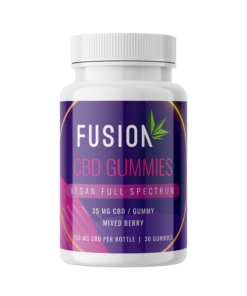
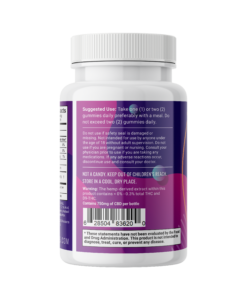
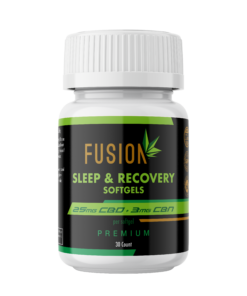
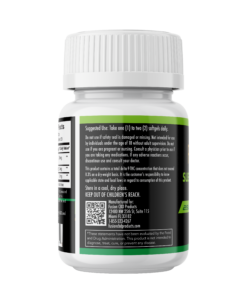
Fusion CBD Products – CBD for Sleep